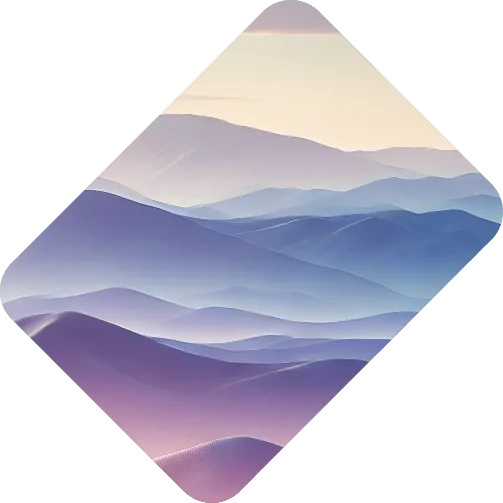
- Remarkable artistry within luckywave creations unlocks captivating aesthetic potential
- Exploring the Core Elements of the Luckywave Aesthetic
- The Role of Nostalgia and Digital Artifacts
- Influences and Inspirations Behind Luckywave
- The Impact of Early Internet Culture
- The Technical Aspects of Creating Luckywave Art
- Software and Techniques for Achieving the Look
- Applications and Growing Popularity of Luckywave
- Future Trajectories and Potential Developments
Remarkable artistry within luckywave creations unlocks captivating aesthetic potential
The artistic landscape is continually evolving, with innovative expressions emerging from unexpected corners. One such captivating phenomenon is the growing recognition of works associated with the term “luckywave”. This isn't simply a stylistic choice; it's a burgeoning aesthetic movement, characterized by a unique blend of digital artistry, vibrant color palettes, and a distinctly dreamlike quality. Artists utilizing this approach are creating visuals that resonate with a contemporary audience seeking escape and emotional connection. The initial spark of this visual trend is difficult to pinpoint, yet its influence is becoming increasingly visible across various digital mediums, from graphic design to animation and beyond.
The core appeal of this style lies in its ability to evoke a sense of nostalgia and wonder, often reminiscent of vaporwave aesthetics but diverging with its brighter, more optimistic tone. It’s a visual language that speaks to a generation familiar with internet culture, digital interfaces, and the ephemeral nature of online experiences. Beyond the purely aesthetic considerations, the growing interest in these works also points to a wider cultural conversation surrounding themes of escapism, identity, and the search for meaning in a digitally saturated world. Understanding the nuances of this style requires a deeper exploration into its key characteristics and the artists who are championing its development.
Exploring the Core Elements of the Luckywave Aesthetic
The aesthetic commonly referred to as luckywave showcases several key characteristics that distinguish it from other similar styles. At its heart is a celebration of vibrant color palettes, often leaning towards pastel hues, neon shades, and iridescent gradients. These colors are frequently juxtaposed in unexpected ways, creating a visual experience that is both stimulating and soothing. A recurring theme is the incorporation of early 3D rendering techniques, harking back to the aesthetics of the late 1990s and early 2000s. This intentional retro quality adds a layer of nostalgia and charm, appealing to audiences who remember these early digital designs. The overarching goal isn’t necessarily photorealism, but a stylized representation that prioritizes mood and atmosphere.
The Role of Nostalgia and Digital Artifacts
The deliberate inclusion of digital artifacts – glitches, pixelation, and low-poly models – is a defining trait. These imperfections aren’t seen as flaws, but rather as integral components of the aesthetic, emphasizing the digital nature of the artwork and acknowledging the limitations of early computer graphics. This preoccupation with artifacts also speaks to a broader cultural fascination with the imperfections and ephemerality of digital media. It suggests a rejection of the relentless pursuit of perfection often found in contemporary design, and a embrace of the beauty of the flawed and unfinished. The utilization of these stylistic elements is a conscious decision, aiming to evoke a sense of familiarity and transport viewers back to a specific era of digital exploration.
| Element | Description |
|---|---|
| Color Palette | Pastel hues, neon shades, iridescent gradients |
| Rendering Style | Early 3D rendering techniques, low-poly models |
| Digital Artifacts | Glitches, pixelation, intentional imperfections |
| Subject Matter | Dreamlike landscapes, abstract compositions, stylized characters |
The subject matter often revolves around dreamlike landscapes, abstract compositions, and stylized characters, lending itself exceptionally well to music visualization and album artwork. It’s a style that’s inherently adaptable and can be applied to a wide range of creative projects, from illustrations and animations to interactive installations and virtual environments. The consistent thread is a focus on creating captivating and emotionally resonant visuals that leave a lasting impression on the viewer.
Influences and Inspirations Behind Luckywave
While it's a relatively new aesthetic, luckywave doesn’t exist in a vacuum. It draws heavily from a variety of influences, including vaporwave, synthwave, and early internet art. Vaporwave, with its appropriation of 80s and 90s commercial imagery and its exploration of consumer culture, provides a foundational layer of inspiration. The melancholic and nostalgic themes of vaporwave are present in luckywave, but with a distinct shift towards brighter tones and more optimistic undertones. Synthwave, with its focus on retro electronic music and futuristic aesthetics, contributes to the visual language through its use of neon colors, grid patterns, and retro-futuristic imagery. Early internet art, particularly the experimental graphics and animations of the 1990s and early 2000s, also plays a crucial role in shaping the style.
The Impact of Early Internet Culture
The aesthetic of early web design significantly impacted the visual direction of this trend. The simplistic graphics, limited color palettes, and often clunky interfaces of early websites are all reflected in the intentional imperfections and retro qualities of luckywave art. This appreciation for the aesthetics of the early internet is more than just nostalgia; it’s a recognition of a time when the internet felt new, exciting, and full of potential. It's a counterpoint to the polished and hyper-realistic aesthetics that often dominate contemporary digital spaces. The early internet provided a fertile ground for experimentation and a unique visual vocabulary that continues to inspire artists today. The spirit of DIY creativity and playful experimentation prevalent in those early online communities has become a core component of the luckywave aesthetic.
- Influence from Vaporwave's melancholic themes.
- Inspiration from Synthwave's retro-futuristic imagery.
- Appreciation for early internet art and its experimental graphics.
- A rejection of hyper-realism in favor of stylized representations.
The fusion of these diverse influences results in a unique aesthetic that feels both familiar and novel. It is a style that resonates with audiences who appreciate the blend of nostalgia, digital artistry, and emotional depth. The evolution of luckywave will undoubtedly continue to be shaped by emerging technologies and the creative visions of artists pushing the boundaries of digital expression.
The Technical Aspects of Creating Luckywave Art
Creating art in the luckywave style often involves a combination of traditional design principles and modern digital tools. While there’s no single ‘correct’ approach, many artists utilize 3D modeling software, such as Blender or Cinema 4D, to create the low-poly models and dreamlike environments characteristic of the aesthetic. The deliberate use of low polygon counts and basic textures adds to the retro feel and contributes to the overall visual charm. Post-processing effects, applied in image editing software like Photoshop or GIMP, are crucial for achieving the desired look. These effects often include color grading, bloom, chromatic aberration, and the addition of digital artifacts, like glitches and scanlines. Experimentation with different filters and blending modes is key to achieving the unique visual qualities inherent in the style.
Software and Techniques for Achieving the Look
The utilization of specific software and techniques varies depending on the artist's preferences and the specific project. Some artists prefer to create their artwork entirely within 3D software, while others combine 3D elements with 2D graphics and textures. The use of procedural generation tools can also be helpful for creating complex and intricate patterns and textures. Those looking to replicate the aesthetic can start by familiarizing themselves with the basics of 3D modeling and digital image editing. Countless tutorials and resources are available online, catering to both beginners and experienced artists. An understanding of color theory and composition is also essential for creating visually appealing and emotionally resonant artwork.
- Master the basics of 3D modeling software (Blender, Cinema 4D).
- Experiment with low polygon counts and basic textures.
- Utilize post-processing effects (color grading, bloom, glitches).
- Explore procedural generation tools for textures and patterns.
The overall process emphasizes experimentation and a willingness to embrace imperfections. The goal isn’t necessarily to create technically perfect artwork, but rather to evoke a specific mood and atmosphere through a unique visual language. Successful luckywave art often possesses a sense of spontaneity and playfulness, reflecting the whimsical and dreamlike nature of the aesthetic.
Applications and Growing Popularity of Luckywave
The versatility of the luckywave aesthetic has led to its application in a wide range of creative fields. It’s become particularly popular in the music industry, serving as a visual companion to electronic music genres like vaporwave, future funk, and lo-fi hip-hop. Album artwork, music videos, and live visual performances frequently incorporate elements of the style, creating immersive and captivating experiences for audiences. Beyond music, luckywave is also gaining traction in graphic design, illustration, and animation. Its vibrant colors and nostalgic appeal make it well-suited for branding, advertising, and social media content. The style is increasingly used to create visually striking and memorable designs that stand out in a crowded digital landscape. The momentum surrounding this aesthetic is building, attracting both established artists and emerging talents eager to explore its potential.
Future Trajectories and Potential Developments
The future of luckywave is brimming with possibilities. As the aesthetic continues to evolve, we can anticipate further experimentation with new technologies and creative approaches. The integration of artificial intelligence (AI) and machine learning could unlock exciting new avenues for generating luckywave art, allowing artists to create increasingly complex and dynamic visuals. We might see a greater emphasis on interactivity and immersive experiences, with luckywave environments brought to life through virtual reality (VR) and augmented reality (AR) technologies. The exploration of new color palettes and stylistic variations is also likely, as artists push the boundaries of the aesthetic and discover new ways to express their creative visions. The community surrounding this style is actively growing, fostering collaboration and innovation among artists around the globe.
One particularly interesting area for development is the convergence of luckywave with other emerging artistic movements. The blend of luckywave aesthetics with elements of glitch art, datamoshing, and generative art could yield exciting and unexpected results. The potential for creating interactive installations that respond to audience participation is also immense. As technology continues to advance, the possibilities for exploring and expanding upon the luckywave aesthetic are virtually limitless. The ongoing dialogue between artists and the ever-changing digital landscape will undoubtedly shape the future trajectory of this captivating visual style.